Want to camp in Peru but don't know where to stay, which places to visit, or even what to do? Here are a few tips, come check them out.
Want to camp in Peru but don't know where to stay, which places to visit, or even what to do? Here are a few tips, come check them out.
Ah, Peru. A destination that surprises travelers. A lost city, a mountain with colorful stripes and archaeological finds. These are some of the reasons why we believe this country deserves a chance. And although not widely known, there are plenty of campgrounds and parking areas scattered across the country. So, without further ado, let's find out where to camp in Peru to experience the best it has to offer.
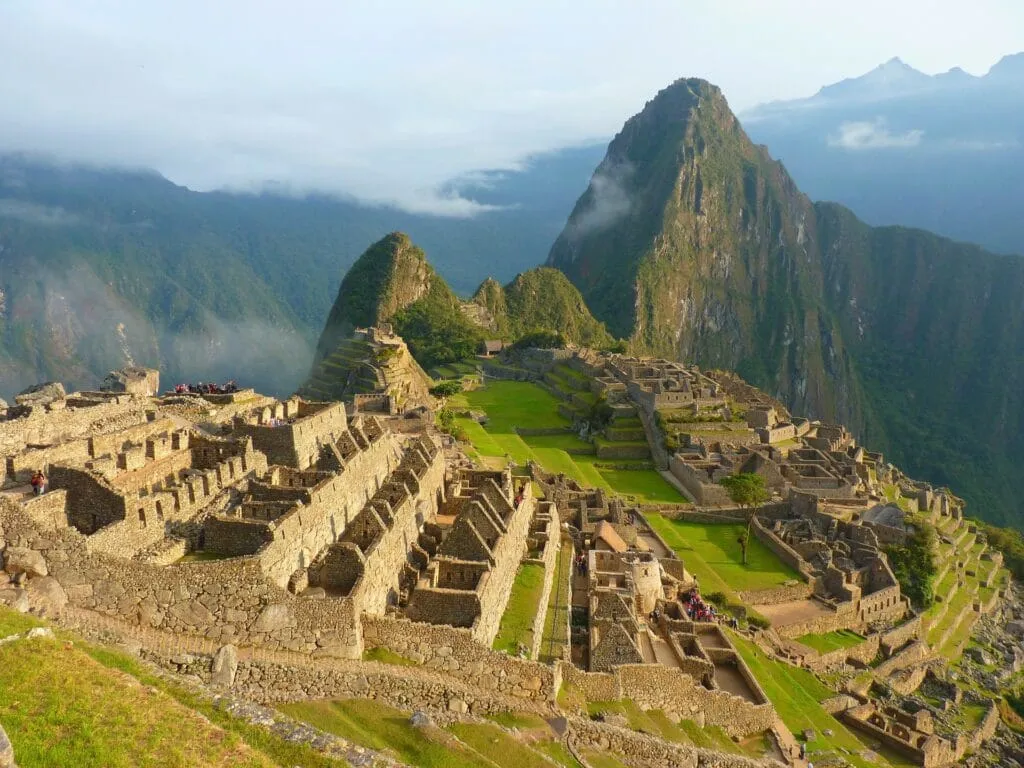
Machu Picchu, one of the 7 wonders of the modern world
In general, the camping style in Peru is more rustic. You won't find much infrastructure or some services such as electricity and Wi-Fi, for example. So, even though it's an amazing country, it's best to go prepared to camp in a more dry or wild way. We talk about some camping styles here.
Even for backpackers the options are quite rustic. However, we see this as a learning opportunity. Maybe you'll discover that a beautiful view of the blue waters of the mountains and a cozy shelter are enough to put a smile on your face. Maybe.
Machu Picchu
First, we should start with Machu Picchu, since it's one of the seven wonders of the modern world and so most people go just to see it. However, we'll warn you right away that for some, Machu Picchu is not the best Peru has to offer. Curious to find out which place tops the list, aren't you? Just keep reading.
Machu Picchu can only be reached by train or by the Inca trails. And the second option, which is probably the one that appeals to you most, should only be chosen by those in good physical condition.
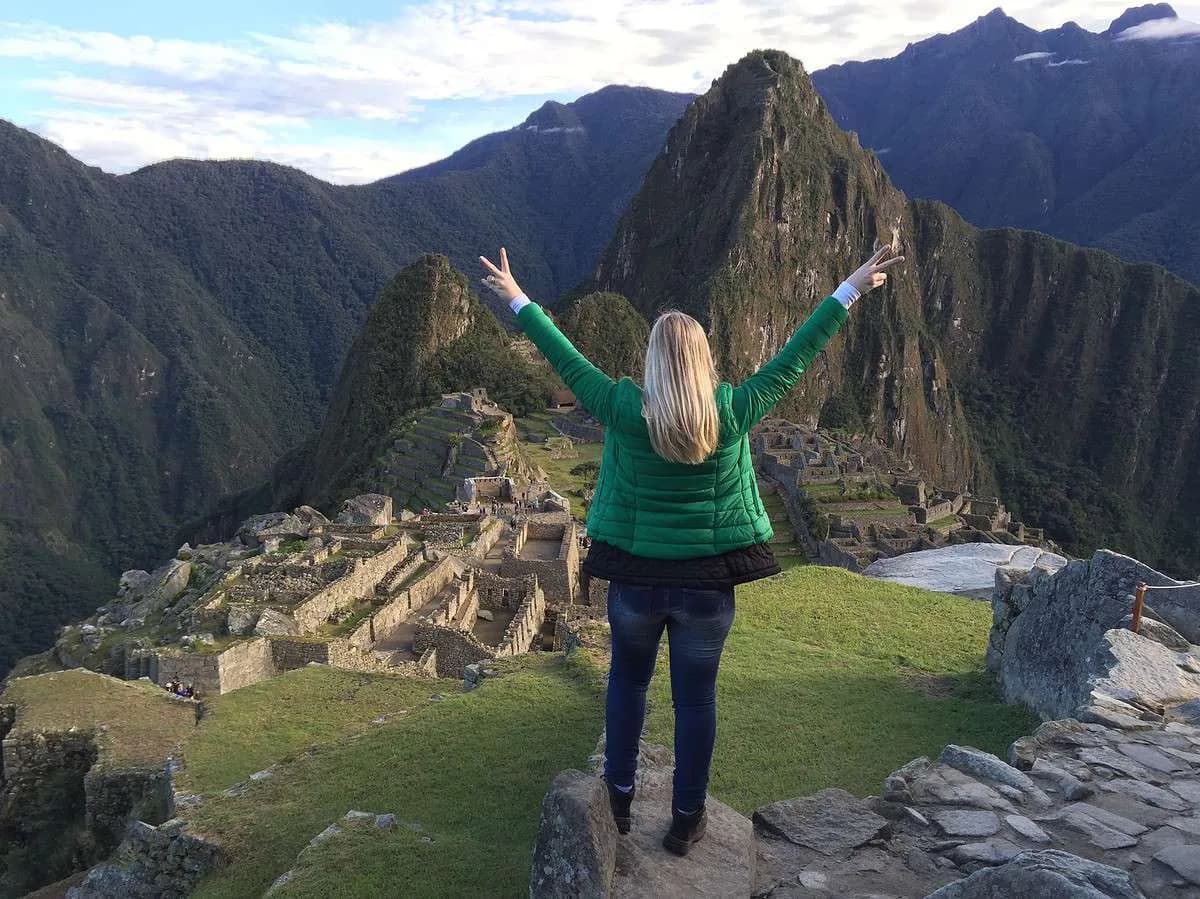
It is not possible to camp at Machu Picchu, but there are campsite options nearby. That is, campsites that are part of the route you'll take when you book the tour package.
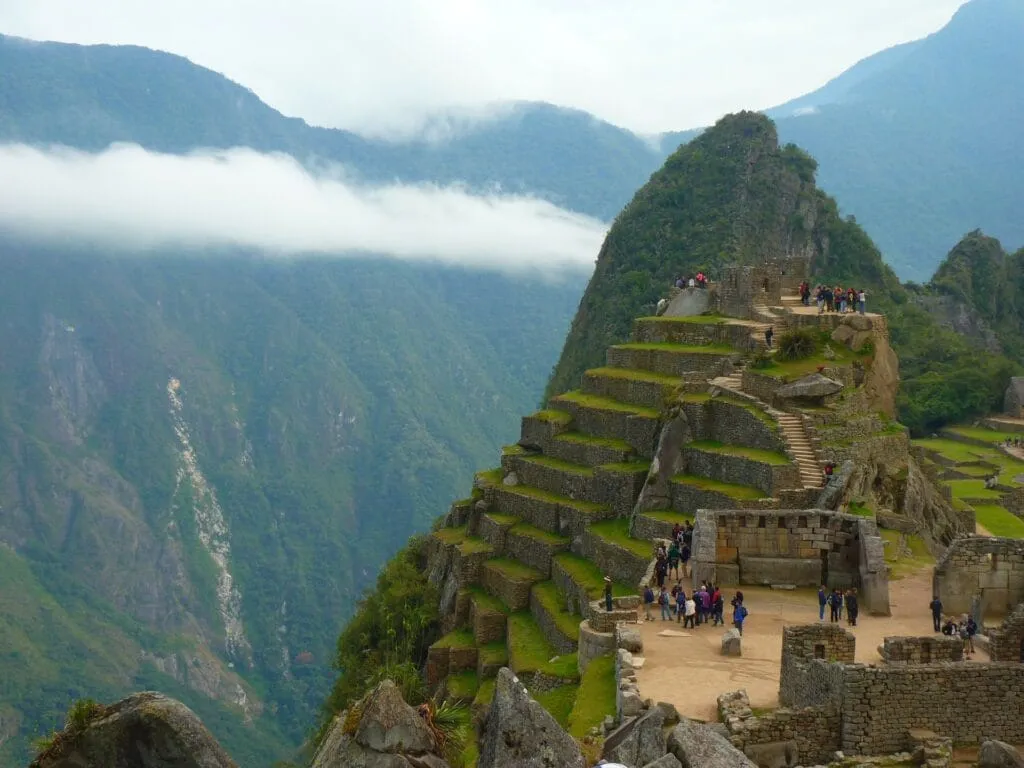
Machu Picchu from a different angle
Inca Trail Campsite to Machu Picchu
This campsite is, above all, for the more rugged travelers who love reinventing their concepts. A 4-day, 3-night trek to the lost city of Machu Picchu. This is the most famous trail and must be booked at least 6 months in advance. Its cost, US$600 (six hundred dollars), is a bit higher because the agency you hire is responsible for sending people to carry the camping gear, prepare the food and handle any other extras you decide to book.
The trail has 3 campsites. One for each night. And if needed, there is an extra one.
What these campsites have:
Shower;
Food;
Restroom;
Security (watched over by guards).
What they don't have:
Electricity;
Cell phone signal;
Internet (as a consequence).
The route is very safe and protected by the Peruvian State. That is, it cannot be done without first booking a tourism package. Learn more about how the campsites for Machu Picchu work here.
But if you can't get the privilege of doing this trail, there are other, less famous trails that don't need to be booked in advance and can be done without tour agencies.
These are other hikes in Cusco that lead to the Inca city of Machu Picchu:
Salkantay hike: 5 days, Lares hike: 4 days and Huchuy Qosqo hike: 3 days.
Disconnect from the world and discover more about Inca culture.
Huascarán National Park
Nevado Huascarán, or simply Huascarán, is a mountain that is part of the Cordillera Blanca, which in turn is one of the ranges of the Andes. Another interesting detail is that this park, which is part of the Ancash department, was one of the first to be protected in Peru. And for some who have gone camping in Peru, it is even more amazing than the famous Machu Picchu.
Inside and around the park there are several archaeological sites that reveal details of the cultural heritage of different peoples. There are at least 33 sites and you should see some of them.
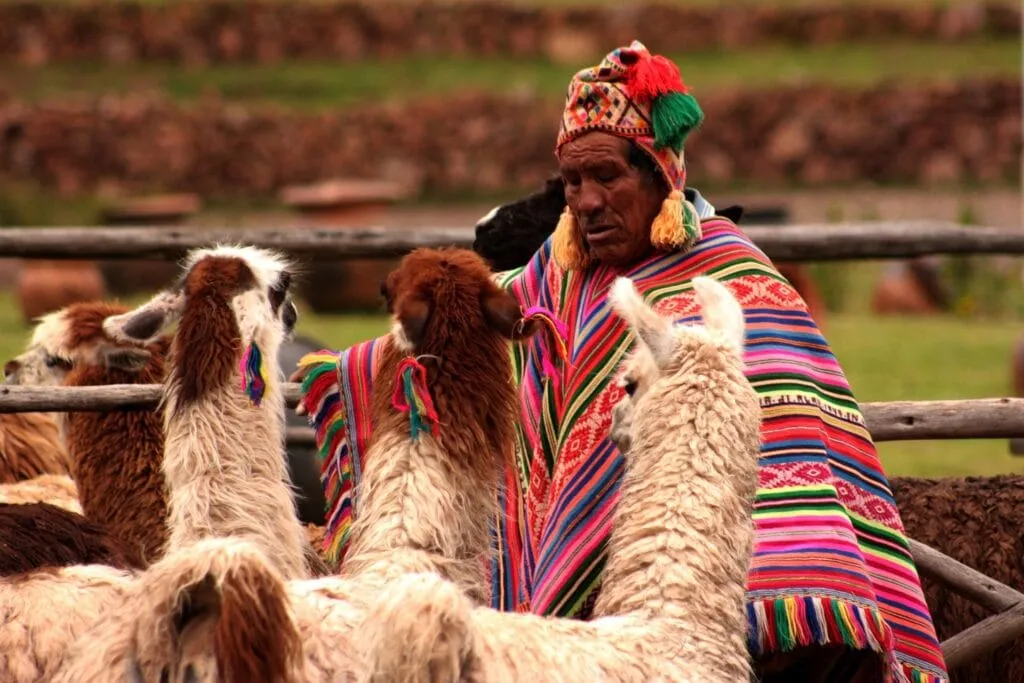
The diversity of life there is also a big attraction. Depending on where you camp, you'll be lucky enough to see alpacas, llamas, Andean cats and a variety of animals you'll only see in that Andean region.
Alpacas are animals native to the Andes Mountains
What to do
To get to the park you can start from the city of Huarán, which is the starting point for many tours. And those traveling in their own vehicle can likewise start there. It's a long way to the park, so we recommend making a few stops and enjoying the view along the way. Undeniably, Peru is a feast for the eyes of campers.
Also, the road isn't the best, so a few stops will be necessary.
Where to camp
The general purpose of countries protecting reserves and parks is to prevent visitors from damaging their ecosystems. For that reason, camping is not allowed just anywhere. Look for the Yuraccorral recreation zone and help the Ministerio del Ambiente keep Huascarán Park a clean and safe place for all kinds of local life.
Laguna Parón
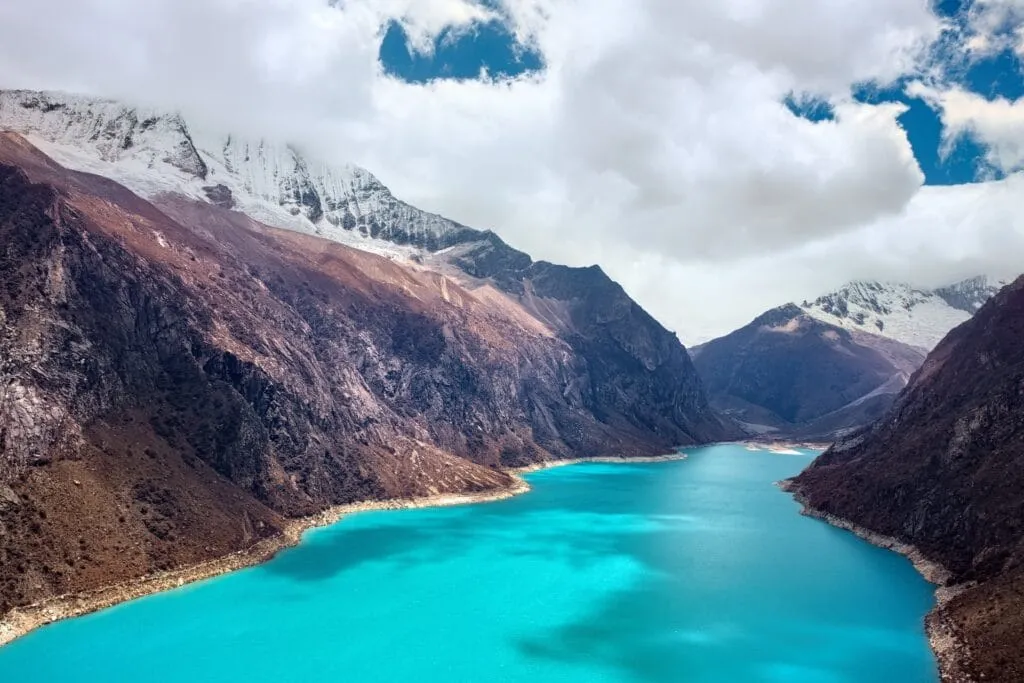
Laguna Parón is only 30 km from the town of Caraz. So, for those into RV travel who want to go straight there, it's much better to start from there. But if you want to follow the route of the tours run from Huaraz, a city 100 km from the lake, that's also possible. This second option is, in fact, the most commonly followed.
Still in the park, another lake that many people like to visit is Laguna 69 (sesentinueve). However, there are more than 40 lakes scattered across the park in total.
Cusco
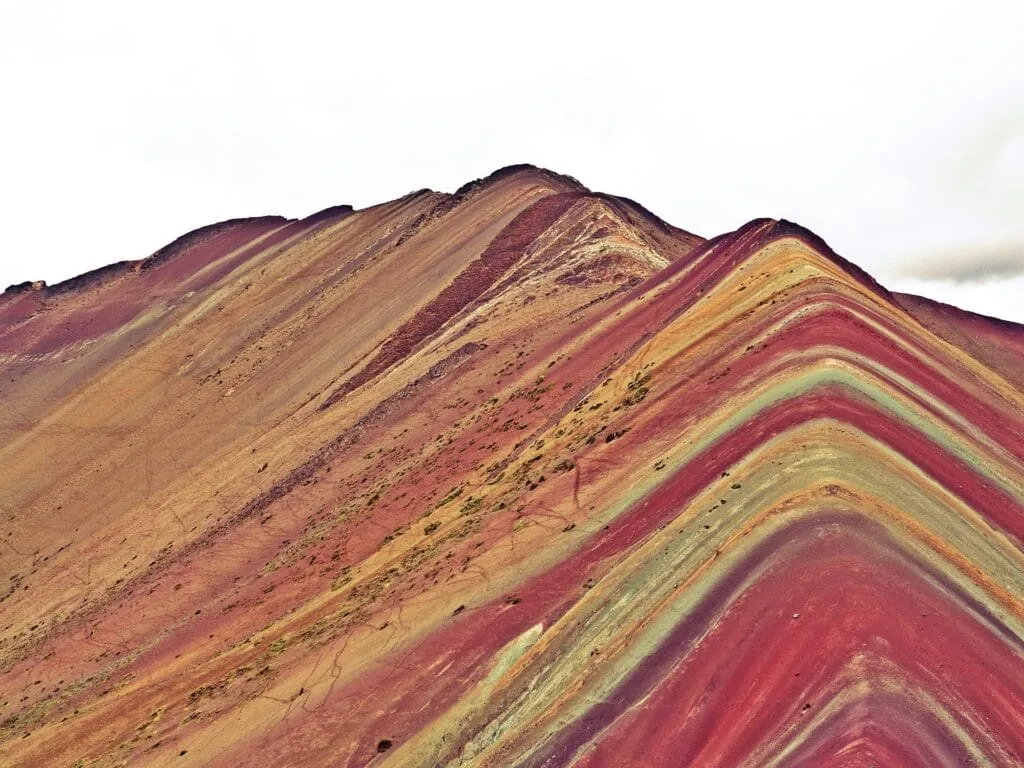
This city that blends Inca and Spanish culture is the base for visiting some of the most famous places in Peru. And you will certainly love getting to know it. Visit the Rainbow Mountain (Mountain of Seven Colors), Laguna Humantay, Choquequirao, the Sacred Valley and the Valle de la Luna.
The Mountain of Seven Colors is also known as Rainbow Mountain
Cusco sits high in the Andes Mountains. The city has many museums and is surrounded by centuries-old ruins, such as the fortress of Sacsayhuaman. In addition, Cusco is also the gateway to the Sacred Valley, a place full of Inca ruins.
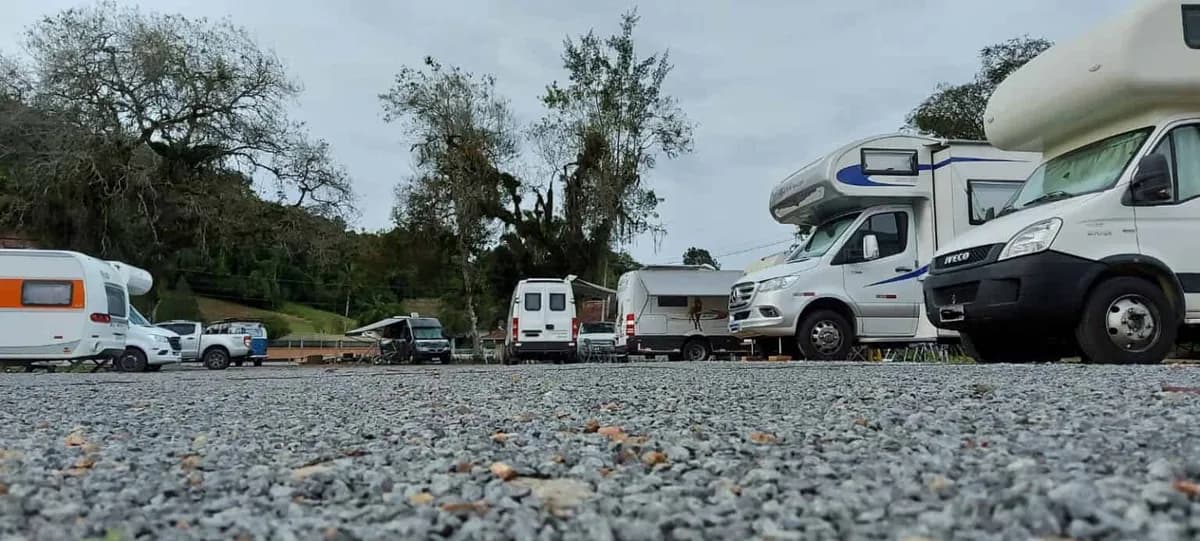
The Quinta Lala campground is considered the best campground in Cusco and perhaps in the whole country. There's enough space to park your trailer on lush green grass. And for you, there's warm water and a tidy, clean environment. In addition, the reception is pleasant and they make you feel at home.
Paracas National Reserve
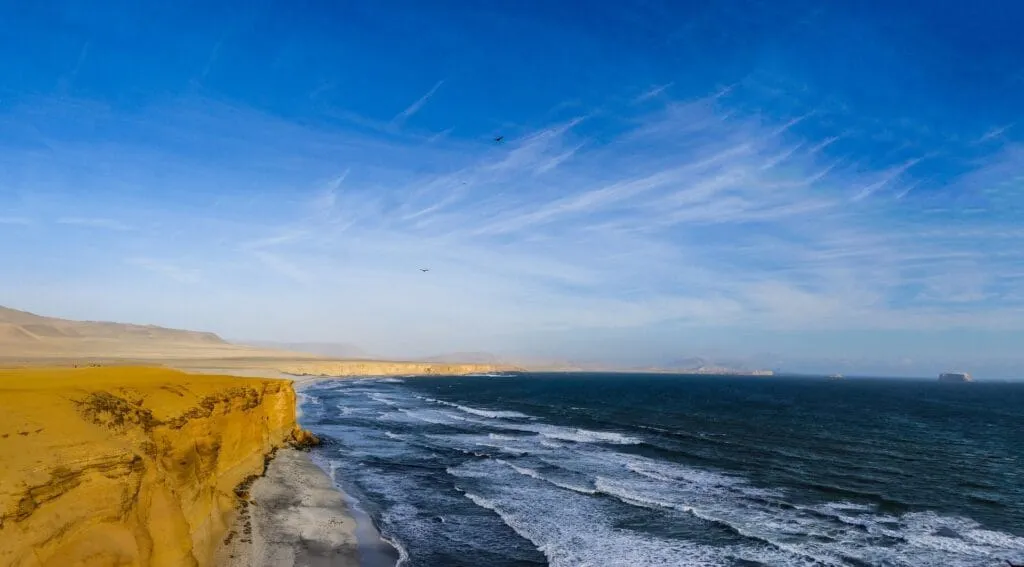
This reserve is a mix of desert and sea. In other words, the perfect combination for those who want to see the world in a different way. Moreover, there are archaeological traces of the Paracas culture scattered throughout the reserve. In fact, there are more than 100 archaeological sites within Paracas alone.
What to do
Camping inside the reserve is very easy and there are several places to camp for free. However, there isn't much infrastructure. Another camping option with better infrastructure is a spot facing the sea which, although it has no name, can easily be found by asking for tips from people in the area.
The park's main attraction is the tour of the Ballestas Islands, where you can watch sea lions and penguins. There is a huge number of birds, including flamingos, which can be seen from one of the reserve's viewpoints.
And finally, still in the desert mood, how about visiting an oasis? The Huacachina oasis is, in fact, an oasis in the desert. The Peruvian village of Huacachina was built around the oasis and, besides enjoying the beauty of the place, you can also go trekking across the dunes, sandboarding and much more.
To rest at night there are a couple of well-organized ecocamps with a terrace, pool, Wi-Fi and a few other perks. As with other destinations, we recommend booking in advance.
Anyway, these are some of the places that anyone who wants to camp in Peru should visit. When you pass through some of them, tag us on social media and let us know we're helping you find your place in the world.