Boondocking. It is a funny-sounding word, but you have probably done it before. Either because you needed to stay overnight, or because you did not want to be in a crowded campground. Some even confuse boondocking with dry camping, but the truth is that there is a small difference between them. So what exactly is boondocking? In short, boondocking is nothing more than […]
Boondocking is a simpler, free way of camping
Boondocking. It is a funny-sounding word, but you have probably done it before. Either because you needed to stay overnight, or because you did not want to be in a crowded campground. Some even confuse boondocking with dry camping, but the truth is that there is a small difference between them. So what exactly is boondocking?
In short, boondocking is nothing more than a simpler, free way of camping.
What is the difference between boondocking and dry camping?
Dry camping is what we call camping without hookups. You pay to stay in a section of the campground with far fewer amenities than a conventional campsite. Restrooms and barbecue grills, for example, are things you will not have in a dry camping area. Your only perk, so to speak, is power outlets. Of course, with limited amenities you will pay much less, since your stay there is not creating a high cost for the campground owner. This is, in fact, the main advantage of dry camping: its reduced price.
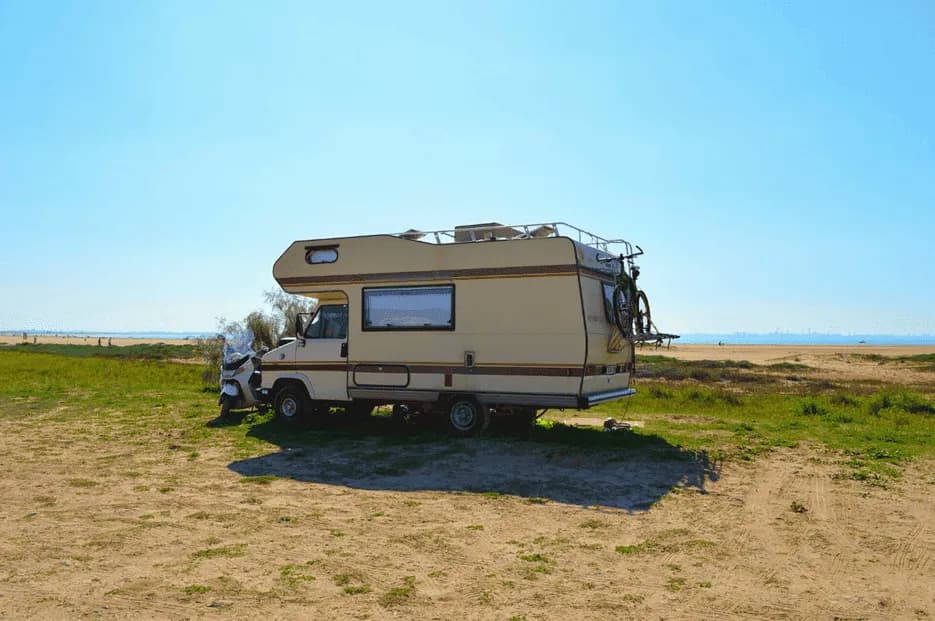
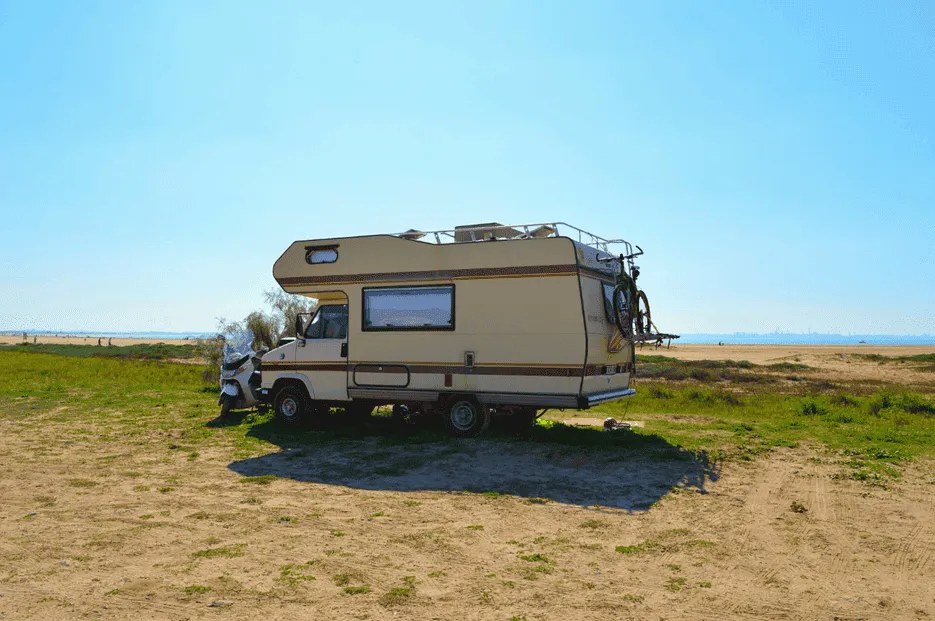
If it isboondocking you have access to nothing beyond the space where you are parked. No power, running water, internet, cooking area, nothing. It is also called wild camping. Since you will need to rely on some older strategies to meet your basic needs.
Although it may not seem like a very attractive option, boondocking has its upsides. No neighbors, no advance reservations and no paid parking. Even when it is not free, it is still a much lower cost, given the more rustic conditions of the place. On top of that, the best part is the chance to take in nature with very little human interference.
Where can you go wild camping?
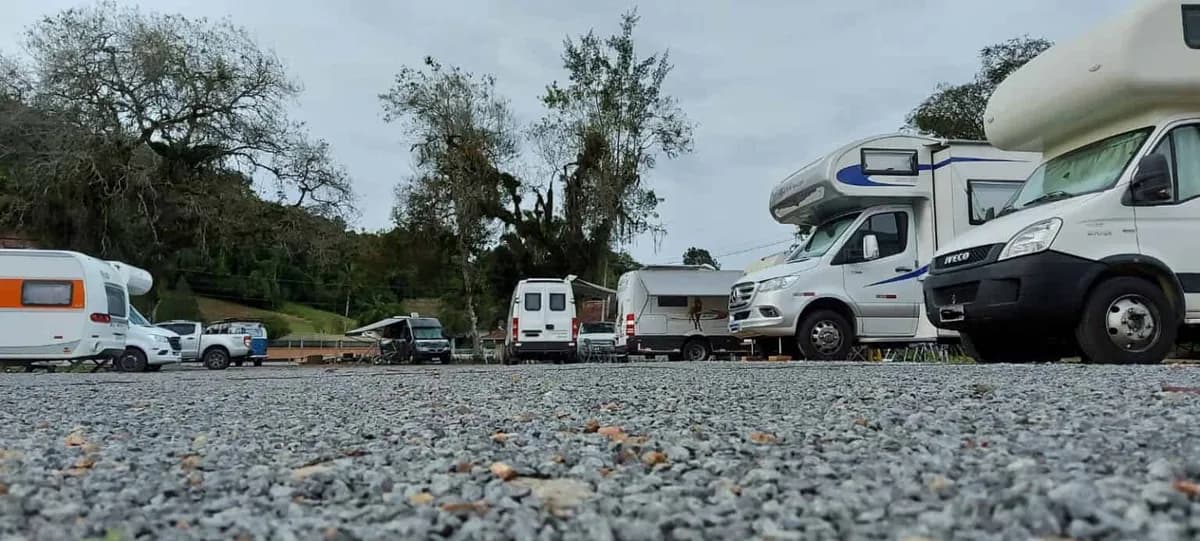
Unfortunately, you cannot boondock just anywhere. Especially in Brazil, where traveling by trailer is still relatively new. Still, don't despair. There are plenty of options. Among the most common are:
24-hour convenience stores;
Rest areas (rest area/truck stop), spaces for drivers to rest without leaving the main route;
Tourist information centers (visitor center); and
Gas stations.
It is important to remember that these are places to spend the night. They are not places where you can camp for a whole week, for example.
Is boondocking dangerous?
The answer depends on where you want to camp. But in general, you need to choose a place where overnight parking is allowed. If you park in prohibited places, you could be towed. And whenever possible, give preference to places with night security monitoring.
What do you need for wild or dry camping?
Easy transport trailers have everything you need for boondocking and dry camping. Learn more about them here and feel free to camp anywhere without worrying about water, power, etc.
Is boondocking worth it?
You may even think: “Oh, there is no point in knowing this. Here in Brazil you can hardly camp like this.”
But think about it for a moment. The countries where boondocking is most common are the countries where the Brazilian currency is worth less. Some of them are the United States, Canada and the United Kingdom. So, while you travel through Latin America, where most countries have a currency worth less, if you cannot go wild camping, try dry camping. If there are only more conventional options, just camp the traditional way.
On the other hand, when you travel to countries where the real is worth less and you spend more after converting, just look for boondocking or wild camping. See the logic? That way, you keep your trip going longer and with higher quality. If you plan to travel by trailer through the United States, a website you could visit to find out where to camp for free is the BLM (Bureau of Land Management).
Above all, the important thing is to be aware of the opportunities and take advantage of them when possible. Until the next journey, fellow campers.