Wondering whether traveling by trailer through Uruguay is worth it? We have a few tips on what to do there.
Wondering whether traveling by trailer through Uruguay is worth it? We have a few tips on what to do there.
Traveling by trailer through Uruguay: where to camp and more
Thinking about leaving Brazil with your RV, but don't want to go too far? How about dropping by Uruguay? You may even think that traveling by trailer through Uruguay isn't worth it. But before you reach that conclusion, let's talk a bit about what to do there, and at the end you can tell me what you think. Sound good?
Uruguay and its beautiful landscapes
First of all, there are a few reasons why we believe it's the best country to start your overlander journey outside Brazil (if you haven't started yet, of course).
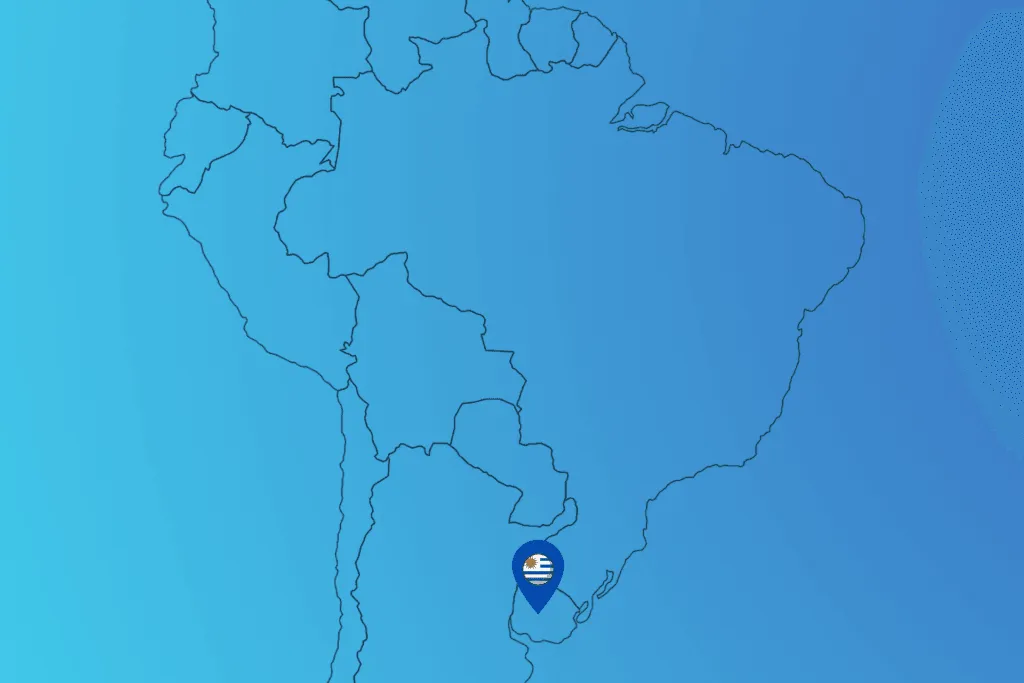
First, because it is the second smallest country in South America, the distances between places to visit and campgrounds are very manageable. That's great for those who are getting a taste for the road, or who have kids that don't like to stay "stuck" in a car for too long.
In South America, Uruguay is larger only than Suriname
Moreover, entering the country is very simple. You can enter through either Chuí or Rivera. And because Brazil is part of Mercosur, Brazilians don't need a visa to stay in the country for 3 months.
The required documents are listed at the end of this article. Now let's move on to the places you, as a camper, should visit.
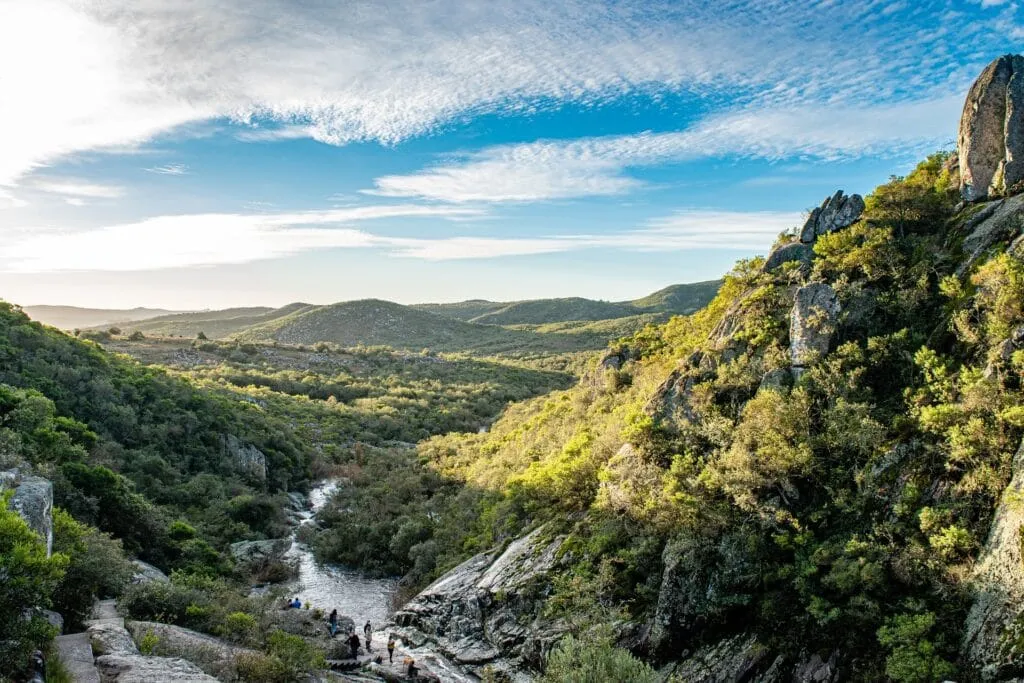
Santa Teresa National Park
The first stop can be Santa Teresa National Park, which is 37 minutes from the border. The park is quite large and has room for camping both more wild and with electricity and water. The water is hot and the restrooms are well organized. By the way, the best time to shower is in the morning and after 3 p.m., when they turn on the boiler.
Santa Teresa National Park
You don't need to check in as soon as you arrive at the park. Entry is free for visits. If you're staying overnight, avoid checking in at the entrance; look for a small house inside the park, where the process is handled by military personnel and there is no line.
Note: Stays at the park are only available from Tuesday to Sunday, from 8:00 a.m. to 8:00 p.m. Keep in mind that this post was written in March 2022. These opening hours may change as the pandemic situation is resolved. So be sure to check the official websitethat the Uruguayan army uses to share information about the parks.
Punta del Diablo
Another great camping option, just 13 minutes from the park, is Camping Punta del Diablo. It is a well-equipped campground with a good reputation among campers. In fact, there is room for every type of traveler. To learn more, just take a look at their website.
Valizas
The next stop is Camping Valizas 1900. This is the only campground for trailers in that region. The others are quite small and only have room for cabins. The campground is rustic and offers basic amenities such as restrooms and electrical hookups. And although there is drinking water, you have to carry it from a tap. It's a campground with a very hippie vibe, with talks and shows. If that doesn't interest you, just stay at your site, no problem.
For nature lovers, the recommendation is to go in the morning, before 10 a.m.
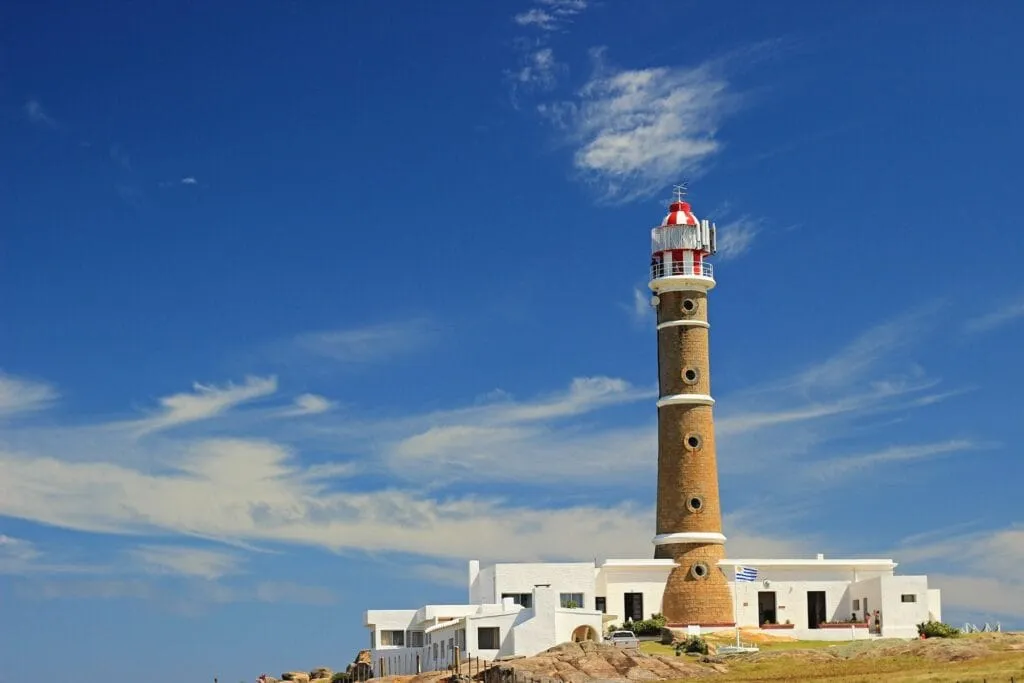
Cabo Polônio lighthouse
Fun fact: The lighthouse is the only place with electricity in the village.
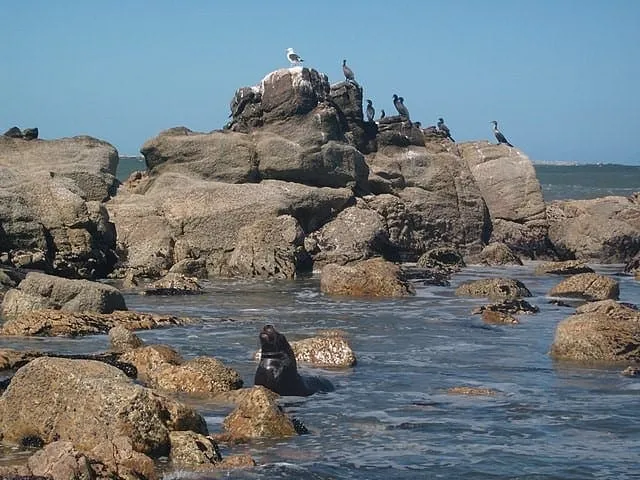
Sea lion reserve
Cars are not allowed in, which means you can't camp there with trailers. But that's not a problem, because the park is only 15 minutes from Valizas. So just leave the trailer in Valizas and drive to the park. In fact, that is one of the great advantages of a trailer: having your car available for various outings. Once you get there, just leave the car in the parking lot and walk across the sand.
To visit the sea lions and see the lighthouse, the trucks leave every hour or every 5 minutes, depending on the time and the occasion.
Other activities there include surfing, hiking, horseback riding, and strolling through the colorful craft markets of the village.
Punta Ballena y Punta del Este
Camping Punta Ballena is also a reference for campers. And in fact, it is located in Punta del Este. That's why we decided to talk about the two towns as one place. It's 2.5 hours from Valizas to Punta Ballena, where you can stop to stretch your legs and see a bit of the town.
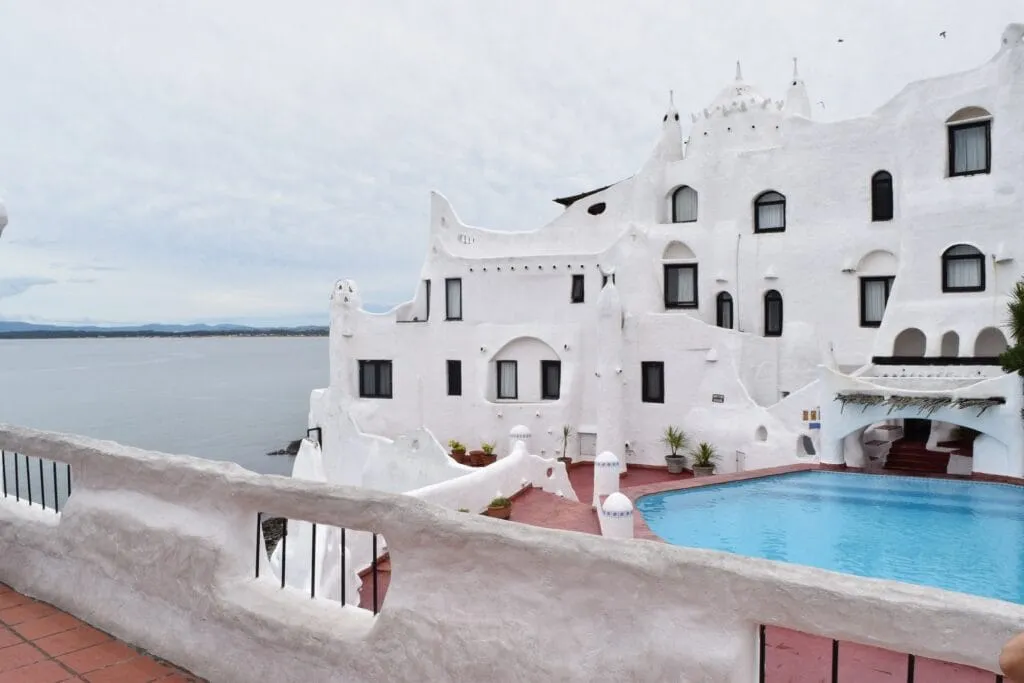
A much-visited spot is Casapueblo, the home of the artist Carlos Páez Vilaró. Its unique architecture and ornaments attract many visitors to see the works of art, the gallery, the museum, and also watch the sunset. There is also a café and a hotel at Casapueblo.
The house has a unique architecture and is visited by many
Punta del Este is a larger city than Punta Ballena and is only 17 minutes away. That's why, for us, it makes more sense to camp only in Punta del Este, at Camping Punta Ballena.
The beach in Punta del Este is very lively and worth a visit to enjoy some natural drinks, stroll along the sand, or simply rest in the shade.
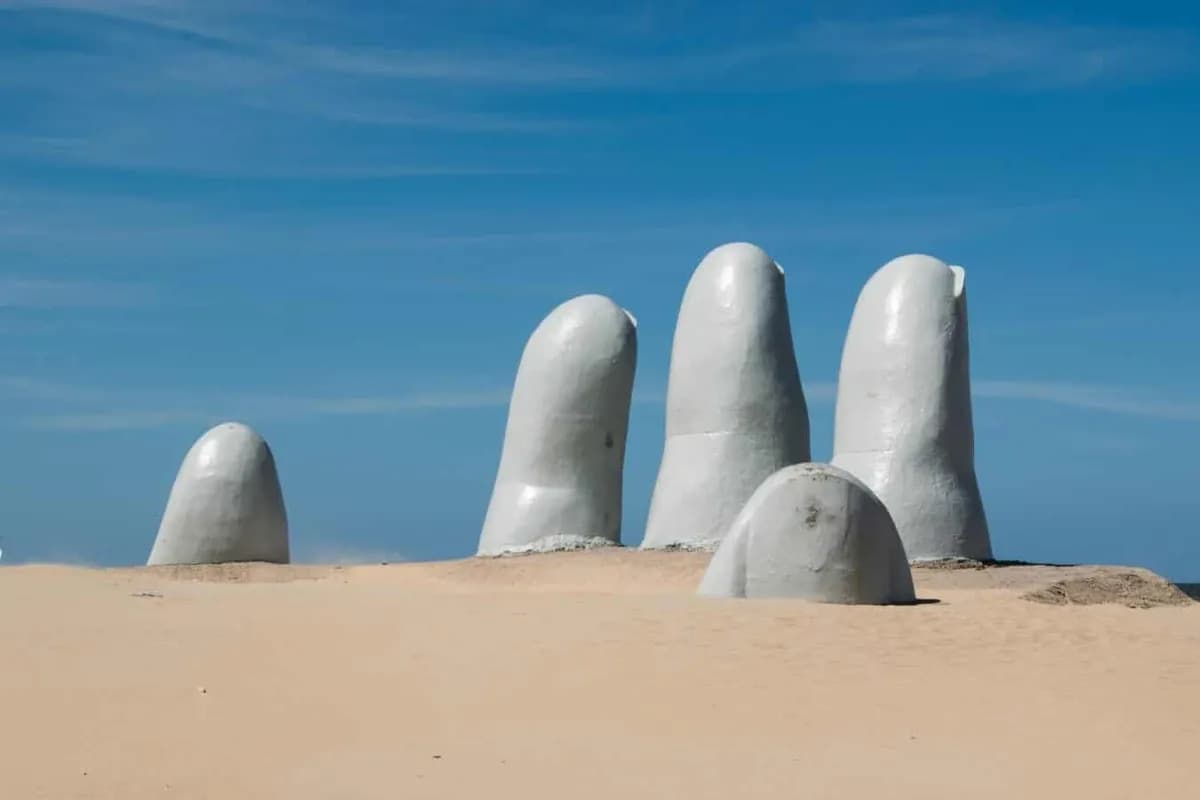
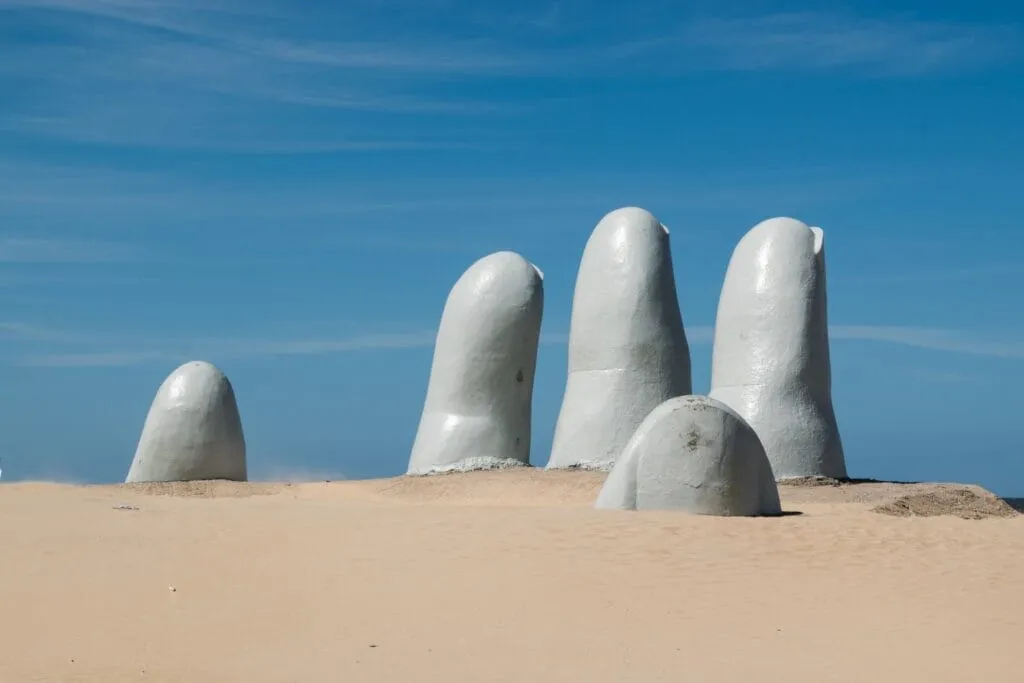
Los Dedos is the symbol of Punta del Este
However, it is not the only one; another famous campground is Camping San Rafael. Just like Camping Punta Ballena, San Rafael welcomes backpackers as well as RVs and motorhomes. That's because both are very spacious.
In short, they have everything travelers need to recharge near the beach. So the choice is yours.
Montevideo
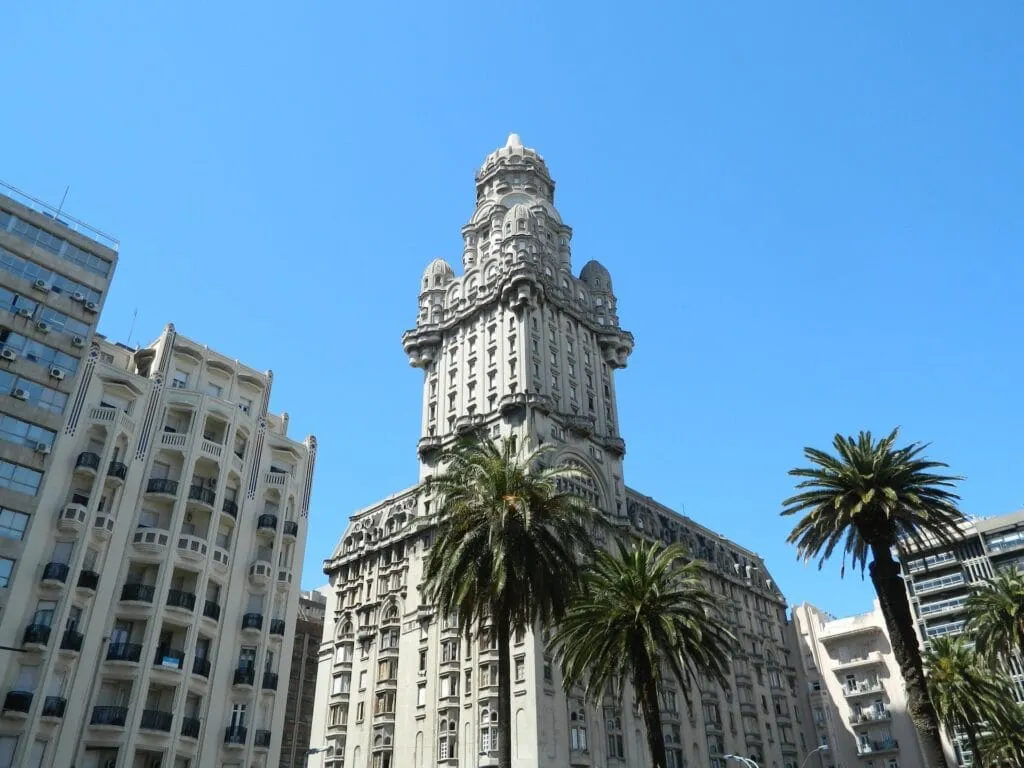
And finally you can say you've reached the capital of Uruguay. If you have some free time, stroll around the city a bit and see the buildings that tell part of the country's history.
The Palacio Salvo was the tallest tower in South America for a long time
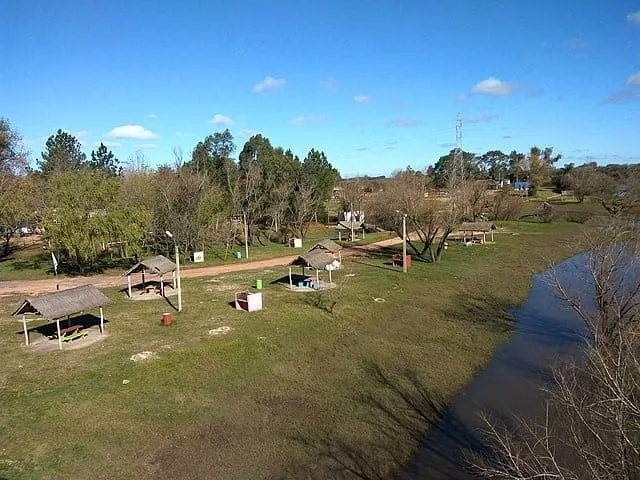
Of course, there is a lot to do in Montevideo, but if your goal is to rest close to nature, Punta Espinillo Municipal Park is a great option. Although it is free, it doesn't have much infrastructure. Also, camping in the park is currently only allowed at private campgrounds.
The Punta Espinillo Park Private Campground is ideal for barbecues, relaxing, and even fishing. And by the way, it only takes 2 hours to get from Punta del Este to this campground.
Colonia del Sacramento
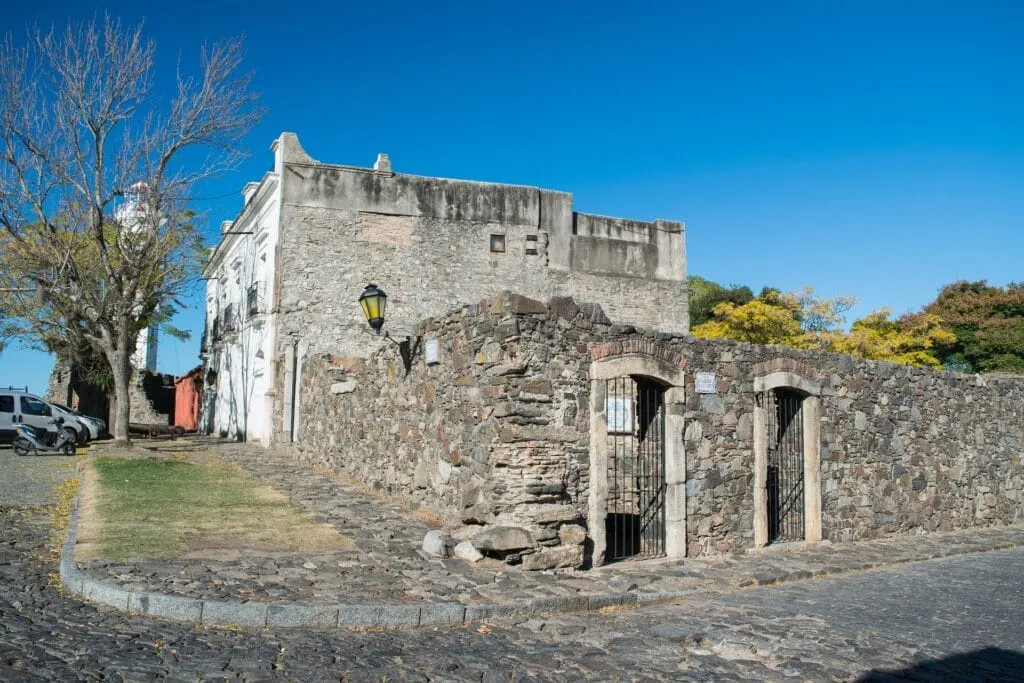
The next stop can be Colonia del Sacramento, which is 2 hours and 15 minutes from Punta Espinillo Municipal Park. This city is very reminiscent of old Brazilian architecture. And that's no surprise, since it was also colonized by the Portuguese.
Fun fact: Uruguay was once part of Brazil, but ceased to be in 1822.
If you want or need some amenities such as electricity or water, there are very rustic campgrounds in the area. However, the most common choice is to camp near the Colonia sign. It is on the beach and easy to find, since in addition to the big letters you will also see a few RVs parked next to the sign.
On the other hand, Colonia del Sacramento is where campers usually go to Argentina. If that's your plan, we have already published a post about where to camp in Argentina.
However, if you still want to travel a bit more by trailer through Uruguay, stop by Castillo Barón de Mauá. You'll love learning more about the influence that the Viscount of Mauá had in Uruguay. Besides gaining knowledge, you can stop and have a picnic at Visconde de Mauá Park, which also has the Viscount of Mauá museum. This stop will also help you rest before heading to the next destination.
Guayabos
And so, after another 2.5 hours of travel, you'll arrive at Guayabos. The name is a bit odd, but the place is interesting.
Among other places, the Termas Almiron, the Meseta de Artigas, and Bartolomé Hidalgo Park deserve a visit. Speaking of which, the park has a conventional camping area where you can camp at no cost at all.
Valle Edén
After almost 4 hours of travel, we then arrive at Valle Edén. Camping El Mago has everything you need to rest. In an explorer's spirit, you can visit the Pozo Hondo (Deep Well), a waterfall formed by rainwater, the Cerro Sombrero, and Las Marmitas.
Valle del Edén, as the name suggests, is a paradise in Uruguay. And you can explore this paradise through trails such as the Cueva del chivo trail, for example.
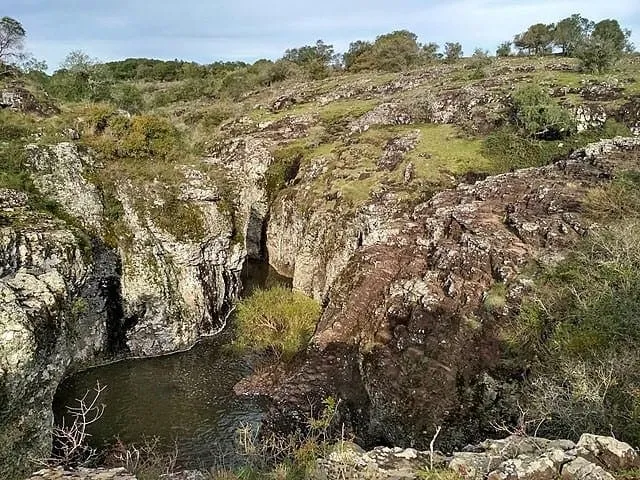
Pozo Hondo, Valle Edén
Rivera
And we're nearing the end of the trip. In Rivera, which is 2 hours from Valle Edén, you take care of the paperwork, which is not bureaucratic at all. You can spend the night in the shopping mall parking lot and take the chance to restock your cupboards for the trip home. (If you're heading home, of course).
And finally, the Brazilian city that borders Rivera is Santana do Livramento. And that's how we say goodbye to Uruguay. You'll miss it, I know. But you can come back whenever you want and can.
What to know before you go
They say the right way is to enter and leave the country through Rivera, but entering through Chuí is also acceptable. By the way, Chuí in Portuguese and Chuy in Spanish are the names of the two cities that connect Brazil and Uruguay. It is also what people call the street where on one side people speak Portuguese and on the other, Spanish.
Don't bring fruits, vegetables, or greens. Bring non-perishable foods and buy the basics there.
Since it's a country that looks like a small countryside town, we quickly assumed the little markets wouldn't have what we wanted and would be very expensive, but that's not the case. Parks and campgrounds usually have a small market with prices quite similar to other markets in Uruguay.
Documentation
The documents needed to travel by car through the country are:
ID (RG) for all travelers (even children);
Green Card for the car only; the trailer doesn't need one. It's important to remember that the Green Card must be printed on green paper and its price depends on the number of days you plan to travel by trailer through Uruguay;
Proof of Covid-19 vaccination.
However, if this is not your only destination, remember to bring your passport, since the rules you need to follow to travel by trailer through Uruguay safely may not be the same in other countries.
Remember: The paper you receive in Chuy must be presented in Rivera on your return to Brazil.
And now that you have an idea of the countless places to visit, you're the one who tells us whether traveling by trailer through Uruguay is worth it. Leave your opinion in the comments. And of course, when you pass through these places, tag Easy Transport on social media. We'd love to know we're helping you discover your place in the world.